Capel Engedi
Our
heritage
Capel Engedi is a Grade II listed Welsh chapel in Caernarfon, North Wales. The chapel has long been part of Caernarfon's cultural and community life. Its value is not only architectural. It carries stories of gathering, learning, worship, Welsh identity, and local belonging.
From Capel Engedi to
Patagonia
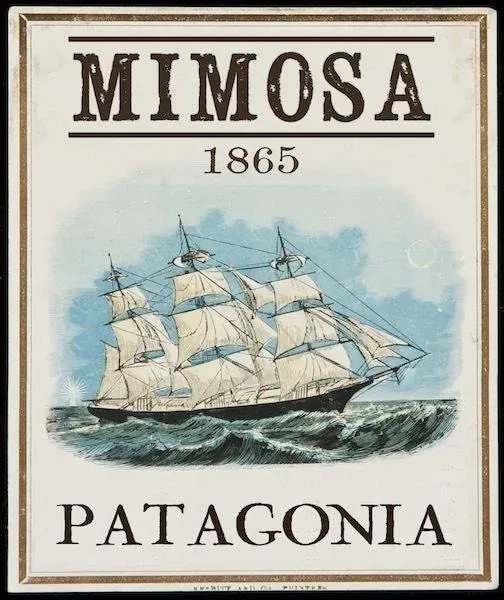
Lewis Jones grew up in a family connected to Capel Engedi, attended the school beneath the chapel, and became part of its literary society. In 1856, a room beneath the chapel hosted an early discussion about creating a Welsh-speaking settlement where the language and culture could endure. Jones later became one of the leading founders of Y Wladfa in Patagonia.
That history reflects the role Capel Engedi once played as a place where people gathered, exchanged ideas, and imagined new possibilities for Welsh culture.
Engedi 2.0 is continuing that legacy in a contemporary way by restoring the chapel as a place where people can learn, create, collaborate, and help Welsh language and culture remain active rather than simply remembered.
A place of
debate and reform
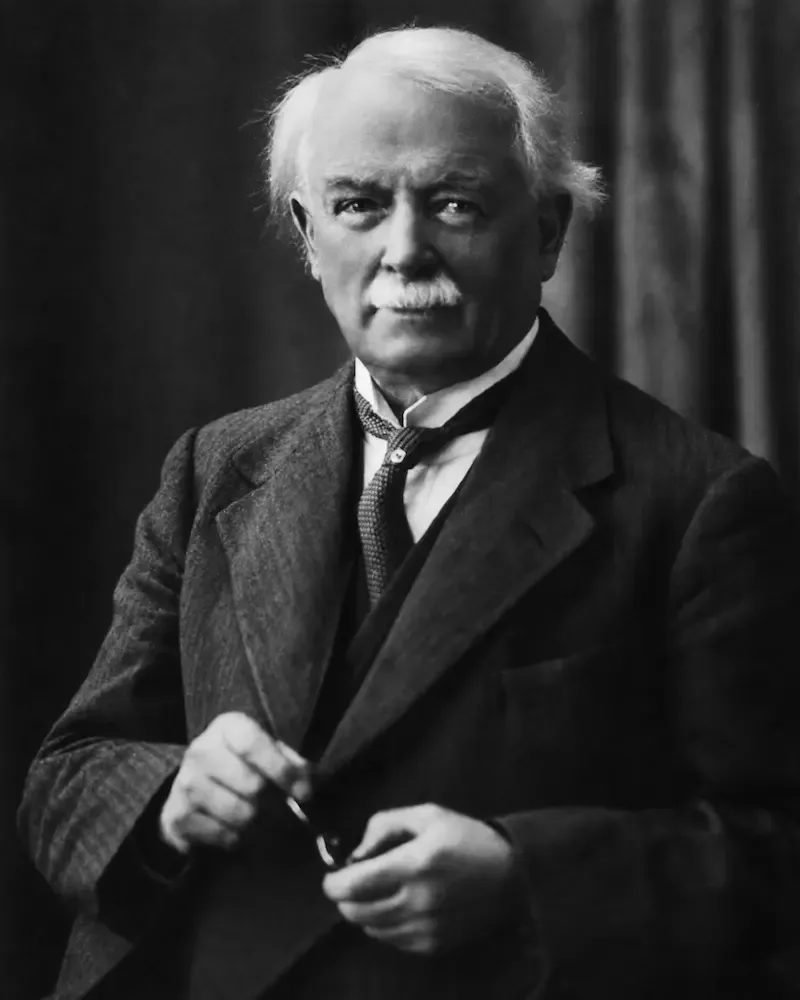
David Lloyd George had a long connection with Capel Engedi. He visited the chapel throughout his political career, addressed audiences there on several occasions, and baptised his son Gwilym there.
That connection places Capel Engedi within a wider story of Welsh public life and social reform. It also reinforces the chapel’s historic role as a place where people gathered, debated ideas, and engaged with the issues shaping their community.
The restoration
today
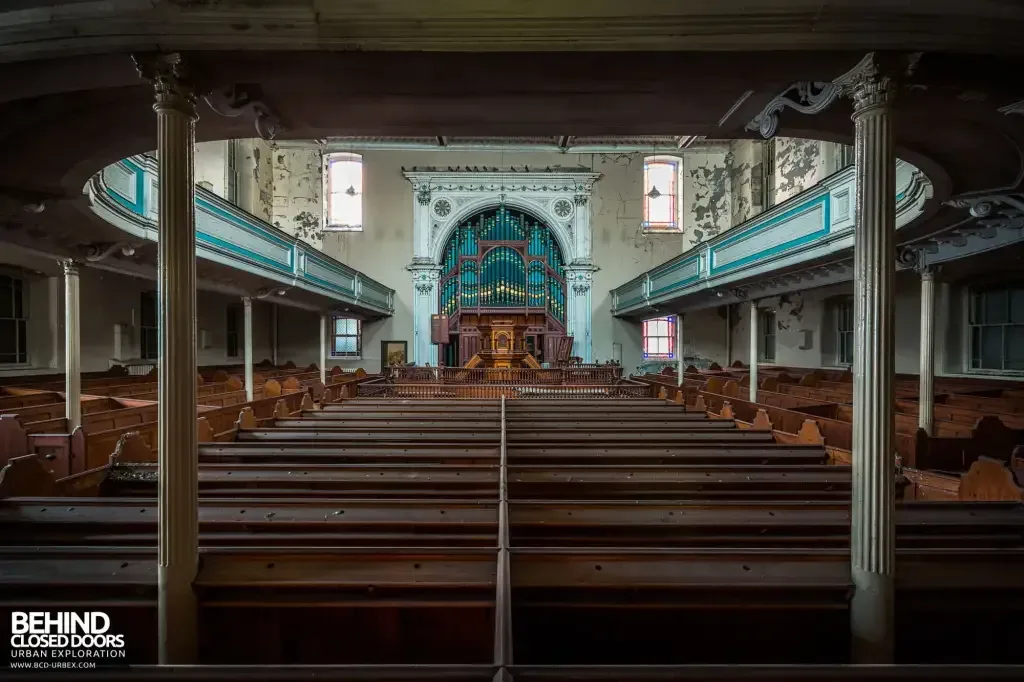
Capel Engedi is being restored in stages because the building needs substantial work before it can fully reopen for community use.
The immediate priority is to protect the chapel from further deterioration, make it safe and insurable, and secure the legal and practical foundations for its future. At the same time, Engedi 2.0 is developing restoration plans, building partnerships, and raising the funding needed to move the project forward.
The approach is deliberately phased: stabilise the building first, begin creating usable community space, and continue the wider restoration as support and funding grow.